The Ceramic Bowl: A Canvas for Your Creative Vision
A Ceramic Bowl as a Canvas for Your Creativity
In the spirit of the chawan
Intro by Tomáš Macek
“This text was originally written for Artkeramika.cz, but with the growth of Relyef Tools I felt the need to rewrite it. Why? Because a tool is only an extension of the hand. At Relyef, we are not interested in mechanical pattern stamping. What matters is the dialogue between you, the clay, and the tool.”
When we speak about bowls in ceramics, many potters eventually arrive at the same inspiration: the chawan, the traditional Japanese tea bowl. A chawan is not about perfect symmetry or decorative perfection. It is about presence, touch, and a quiet conversation between form, surface, and the hand that holds it.
Working with thin walls around 3-6 mm creates a similar feeling. The bowl becomes light and sensitive. Every small pressure leaves a trace. This is where texture tools, stamps, and carving tools can help you shape the character of the piece without overpowering it.
A bowl then stops being just a container. It becomes a small landscape.
The Relyef Trick. The Magic of Counter Pressure
When decorating a thin bowl, the most important support is not the table. It is your second hand.
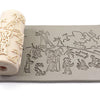
While applying a Relyef texture roller to a thrown bowl, your hand inside the vessel should follow the movement of the tool outside. The palm gently mirrors the pressure and supports the wall from within.
This simple technique allows you to press deeper into the surface while keeping the form stable. The wall does not collapse and the texture remains crisp and alive.
It feels almost like a quiet dance between both hands. One shapes the outside and the other listens from within.

Three Paths to a Unique Tea Bowl
There is no single way to approach a bowl inspired by tea ceramics. Each method leads to a slightly different expression.
The Slab Path. Lightness
Start with a thin slab around 6 mm. After rolling and letting the clay rest, apply texture using rollers or stamps. Then gently shape the slab over a mold or directly in your hands.
This method keeps patterns clear and calm and often results in bowls with a refined surface.
The Wheel Path. Movement
The Hand Built Path. Intuition
Hand built bowls often feel closest to the spirit of traditional tea ware. Each press of a stamp or roller responds to subtle irregularities in the wall. The texture grows organically and the bowl develops its own quiet personality.
Technique, Trimming, and the Beauty of Imperfection
In tea bowls, the foot and trimming process are almost ritual like. The base defines how the bowl sits, how it is lifted, and how it feels in the hand.
Work carefully, but not too strictly. A small irregular edge, a soft line, or a visible trace of the tool can add character. In the language of tea ceramics, these details are not mistakes. They are signs of the human hand.
Sometimes the most interesting surfaces appear when intuition interrupts the pattern. A texture that fades away. A carved line crossing the motif. A slight asymmetry that brings the bowl to life.
Where Tools Meet Intuition
A pottery tool can suggest direction, but it never replaces your sensitivity. A Relyef roller, stamps, or carving tools simply opens possibilities for texture and rhythm in the clay.
The rest comes from your hands.
When a bowl finally rests in someone’s palms, warm from tea, that quiet dialogue between clay, tool, and maker becomes part of the experience.
If you would like to explore this approach to textured ceramics, take a look at the Relyef pottery tools collection. You can also join our newsletter to discover new tools, techniques, and ideas for your ceramic practice.